Simple Summer Electricity Saving Plan for MEPCO Users
In summer, many MEPCO users see a sudden jump in their electricity bills, mainly due to heavy use of air conditioners, fans, motors and coolers. Completely switching off everything is not realistic in hot areas, but with a simple daily plan you can still reduce your units and keep your bill more manageable.
This guide gives you a practical summer electricity saving plan made specially for households in MEPCO areas. It is general guidance, not a substitute for official MEPCO or NEPRA rules, but it can help you build better habits at home.
1. Understand Which Appliances Hit Your Bill in Summer
Before making a plan, remember which items normally use the most units:
- Air conditioner (AC) – highest impact if used for many hours
- Electric water pump / motor – especially if run multiple times a day
- Electric water heater / geyser (if you still use it in early summer)
- Room coolers and fans – medium but continuous usage
- Iron and washing machine – short but high‑wattage use
If you want to save in summer, your plan must focus mainly on how and when you use these appliances, not only on lights and chargers.
2. Set a Clear Summer Target
Saving is easier when you have a simple, realistic target.
Look at your last summer bill and ask:
- How many units per month did you use? (for example, 700 units)
- How many units do you want to aim for this year? (for example, 550–600 units)
You may not hit the perfect number, but having a target helps your family understand why small changes matter.
Write the target on a paper and stick it near the meter or fridge so everyone remembers it.
3. Daily AC Use Plan
For many families, AC is the main reason for high summer bills. Instead of random usage, make a fixed daily AC plan.
A. Limit AC hours
Decide in advance:
- Maximum hours per day for each AC (for example, 6 hours per room)
- Which rooms get AC and when (living room evenings, bedrooms at night, etc.)
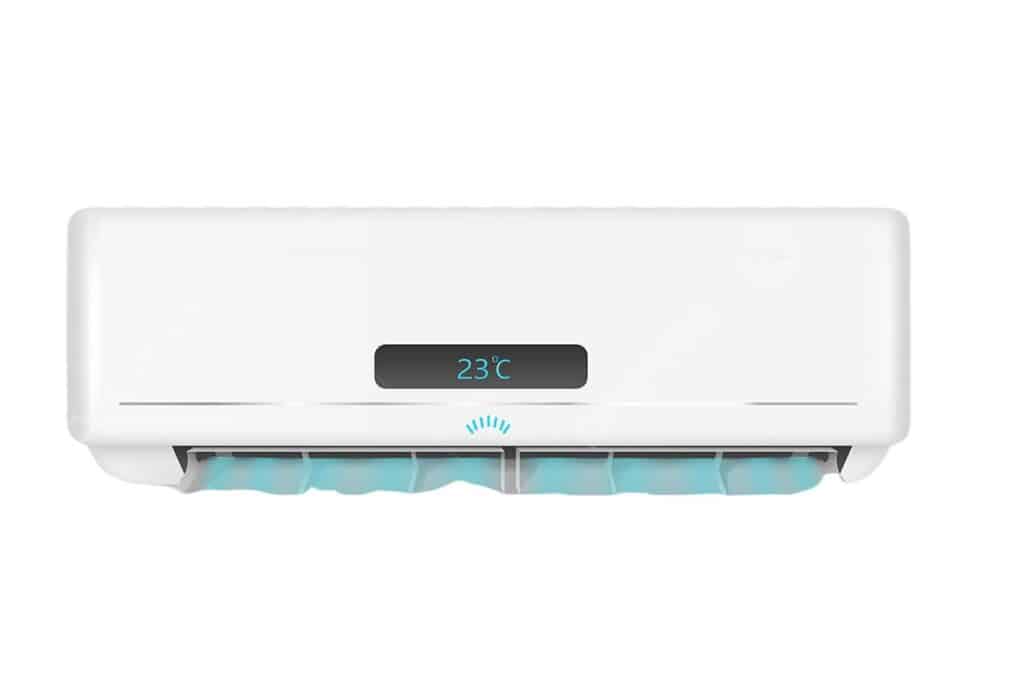
You can follow a simple pattern like:
- Evening (7–10 pm): AC in living room while family is together
- Night (10 pm–2 am): AC in bedroom to cool down for sleep
- Early morning (after 2–3 am): switch AC off and use ceiling fan only
B. Set temperature wisely
Instead of setting the AC at very low temperature:
- Use around 26–27°C with a fan in the room
- Close doors and windows so cool air does not escape
- Clean AC filters regularly to improve efficiency
A difference of just 1–2 degrees can save many units over a full month.
4. Plan for Fans and Coolers
Fans and coolers use less power than ACs, but they often run much longer hours.
Fans
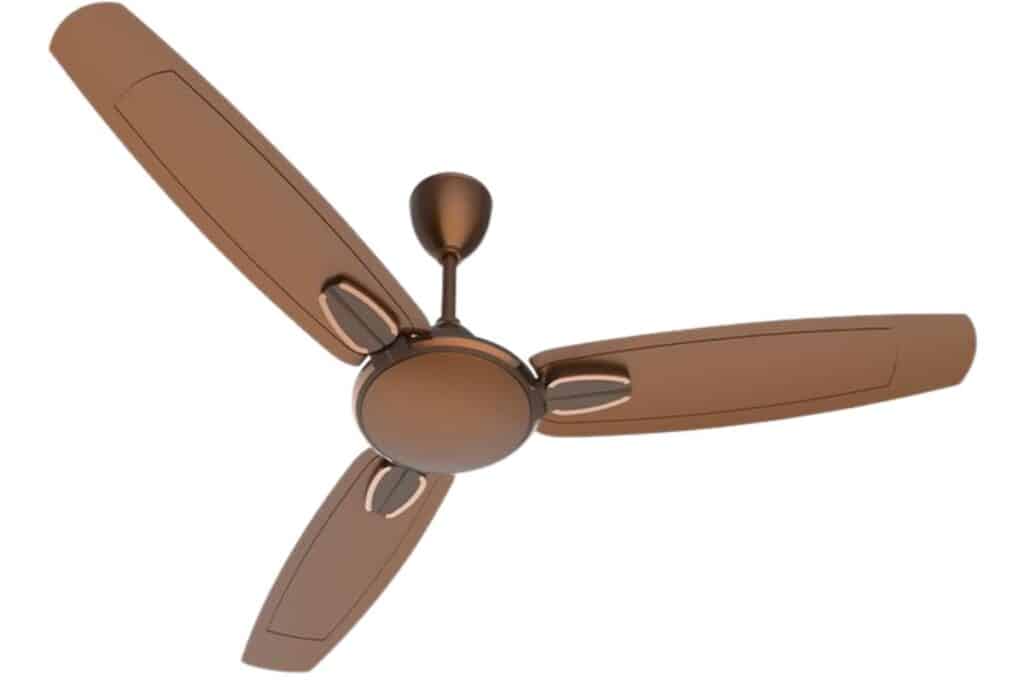
- Make a rule: fans should only be ON in occupied rooms.
- When everyone leaves a room, the last person switches off the fan and lights.
- If you have old, noisy fans, consider maintaining or gradually replacing them with more efficient models.
Room Coolers
- Use coolers mainly in early evenings and nights, not 24 hours.
- Ensure windows or vents are set correctly as per cooler type (some need small openings for airflow).
- Clean pads and water tanks regularly for better performance.
5. Smart Use of Water Pump / Motor
In many homes, the water pump runs more often in summer due to higher water use. Misuse can add significant units.
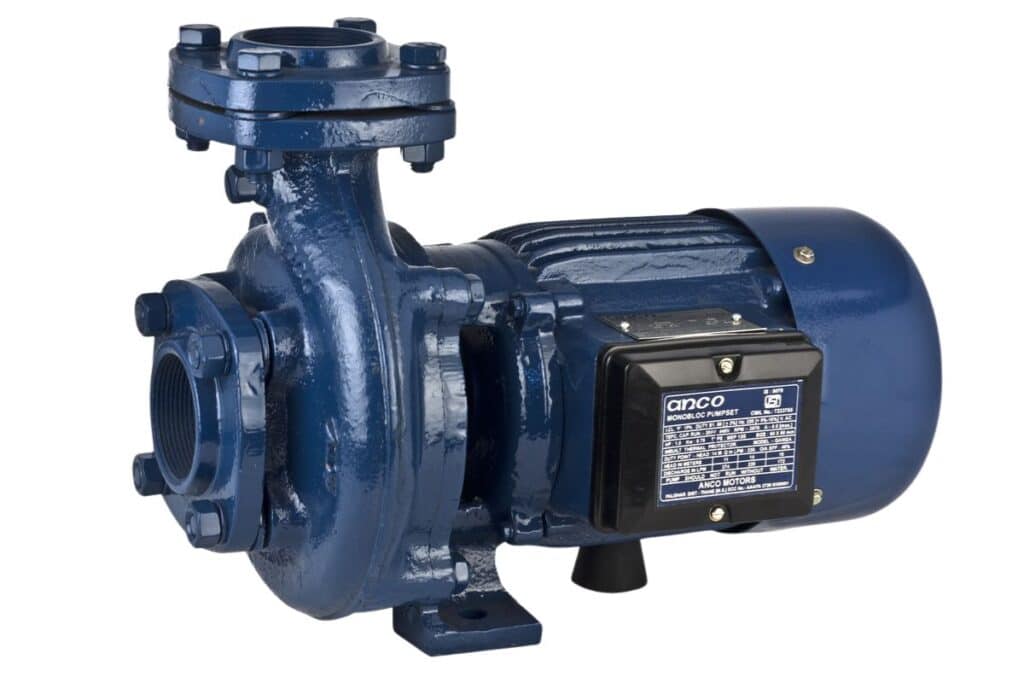
- Fix all leaking taps and pipes so motor does not need to run extra.
- Decide two fixed times per day to fill the tank (for example, early morning and late evening).
- Avoid running the pump again and again for small fills; wait until tank genuinely needs refilling.
- If you have a time‑of‑use (TOU) meter, try to run the pump in off‑peak hours, not at the most expensive time.
6. Plan for Ironing and Washing
Iron
- Collect clothes and iron in one or two sessions per week, instead of switching the iron on every day for a few minutes.
- Use the correct heat setting for each fabric so the iron does not overheat unnecessarily.
- Switch off the iron a few minutes before finishing; the remaining heat is enough for lighter items.
Washing Machine
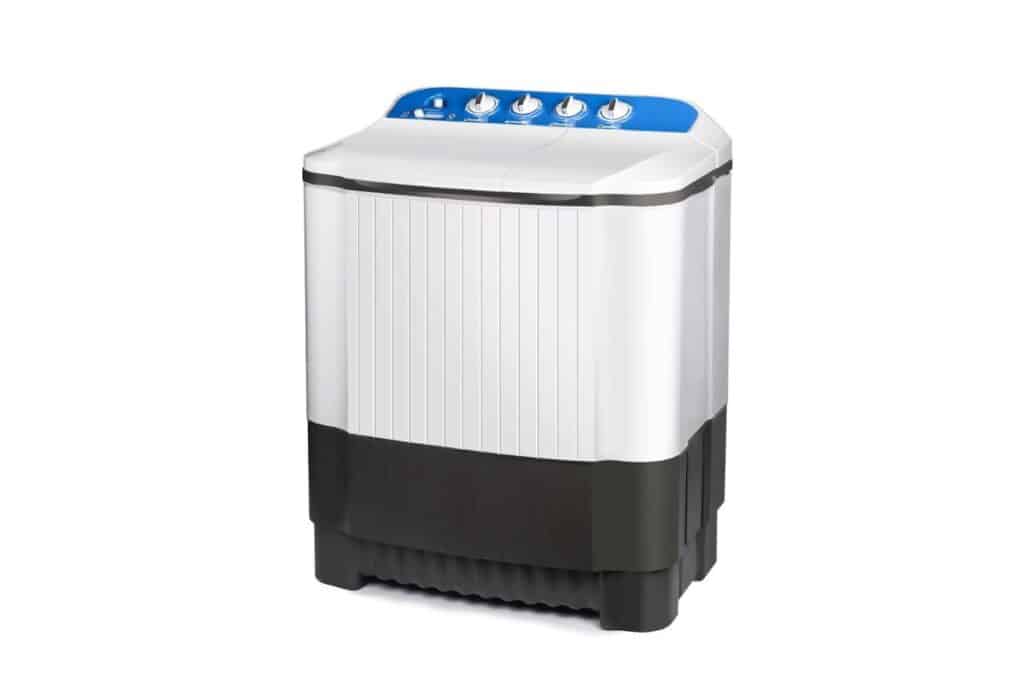
- Avoid very small loads. Try to wash full loads to save both water and electricity.
- If your machine has an eco / quick wash mode suitable for lightly soiled clothes, use it when possible.
- Plan washing for cooler times of day so you are not tempted to run the machine and iron at the same time as heavy AC use.
7. Lighting and Small Appliances
Lighting is not the biggest part of the bill compared to AC, but it still matters.
- Replace old bulbs with LED lights wherever possible.
- Turn off lights in empty rooms and corridors.
- Unplug chargers, extra TVs and other devices when not needed; many consume small power even in standby mode.
These steps are basic, but when combined with AC and motor control, they add up.
8. Example Summer Saving Plan for a Small Family
Here is a simple sample routine for a family with one AC and a few fans. You can adjust the times and devices to your own home.
- Morning (6–9 am)
- Use fans only
- Run water pump once if needed
- Quick ironing session once or twice a week
- Daytime (9 am–5 pm)
- Keep curtains or blinds partly closed to reduce direct heat
- Use fans and, if available, a cooler in only one main room
- Avoid running pump, iron and heavy appliances at the same time as AC
- Evening (5–10 pm)
- Use AC only in the room where the family spends time together
- Switch off AC as soon as everyone leaves that room
- Night (10 pm–2 am)
- Use AC in the bedroom with a moderate temperature
- After 2 am, turn AC off and continue with fan
- Late night / early morning (2–6 am)
- Fans only, all unnecessary lights and devices turned off
Even if your actual timing is different, having any written plan and discussing it with the family helps everyone cooperate.
9. Track Your Meter Reading Weekly
To see if your summer saving plan is working, you do not need to wait for the bill.
- Once a week, note the meter reading and write down the date.
- Subtract last week’s reading from the new reading to estimate weekly units.
- If the number is still very high, review which habits can be improved further.
This small habit gives you early warning before the bill arrives.
Quick Comparison Table of Common Appliances
| Appliance | Approx. Power (Watt) | Example Daily Use | Approx. Units per Day |
|---|---|---|---|
| Ceiling fan | 70 w | 10 hours | (70 × 10) ÷ 1000 ≈ 0.7 |
| LED bulb | 10 w | 6 hours | (10 × 6) ÷ 1000 ≈ 0.06 |
| Iron | 1000 w | 1 hours | (1000 × 1) ÷ 1000 ≈ 1.0 |
| Washing machine | 500 w | 1 hours | (500 × 1) ÷ 1000 ≈ 0.5 |
| Water pump / motor | 750 w | 1 hours | (750 × 1) ÷ 1000 ≈ 0.75 |
| 1.5 ton AC | 1500 w | 6 hours | (1500 × 6) ÷ 1000 ≈ 9.0 |